Essential Guide to Buying Your First Home in Florida


Understanding the Florida Real Estate Market
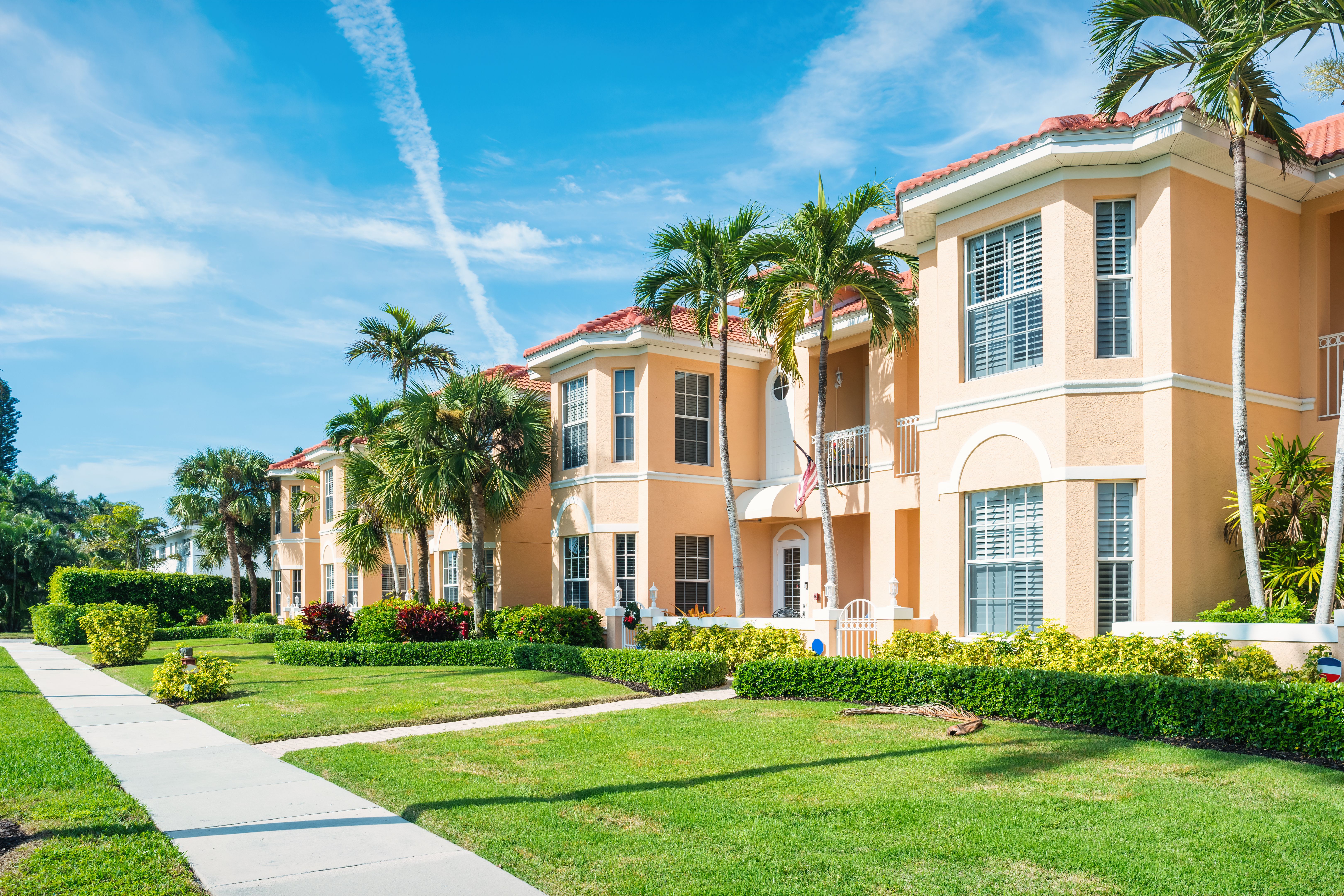
Florida's real estate market offers diverse opportunities for first-time homebuyers. With its unique blend of urban and suburban living, understanding the local market is crucial. Prices can vary significantly between coastal cities and more inland areas, so it's important to research thoroughly.
One of the first steps is to get familiar with the current market trends. Are prices rising, stable, or declining? Knowing this will help you make an informed decision and potentially save money.
Setting a Realistic Budget
Before you start house hunting, it's essential to set a realistic budget. Consider all factors, including the down payment, closing costs, and ongoing expenses like property taxes and maintenance. A clear budget helps narrow down your options and prevents financial strain.
Speak with a financial advisor or mortgage broker to get pre-approved for a loan. This step not only sets a clear budget but also strengthens your position with sellers.

Choosing the Right Location
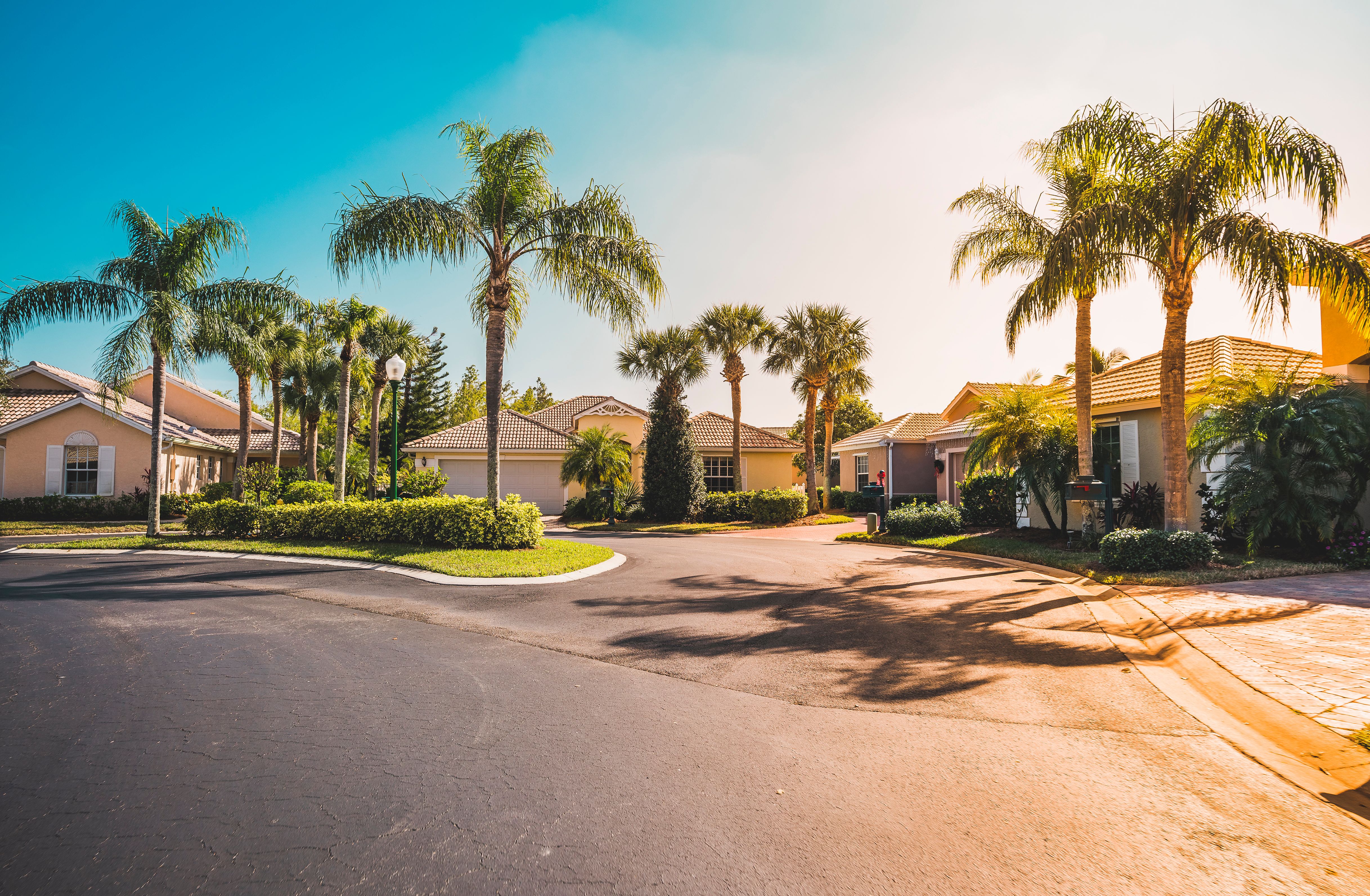
Location is one of the most important factors when buying a home. Consider proximity to work, schools, and amenities like shopping centers and parks. Each area in Florida has its own unique charm and benefits.
Research neighborhoods that fit your lifestyle and future plans. Whether you prefer a bustling city or a quiet suburb, there’s something for everyone in Florida.
Working with a Real Estate Agent
A knowledgeable real estate agent can be invaluable in your home-buying journey. They offer insights into the market, help you find properties that meet your criteria, and negotiate the best deal. Ensure you choose an agent familiar with the Florida market.
Ask for recommendations from friends or family, and interview a few agents to find the right fit. A good agent will listen to your needs and prioritize your interests.
Inspecting the Property
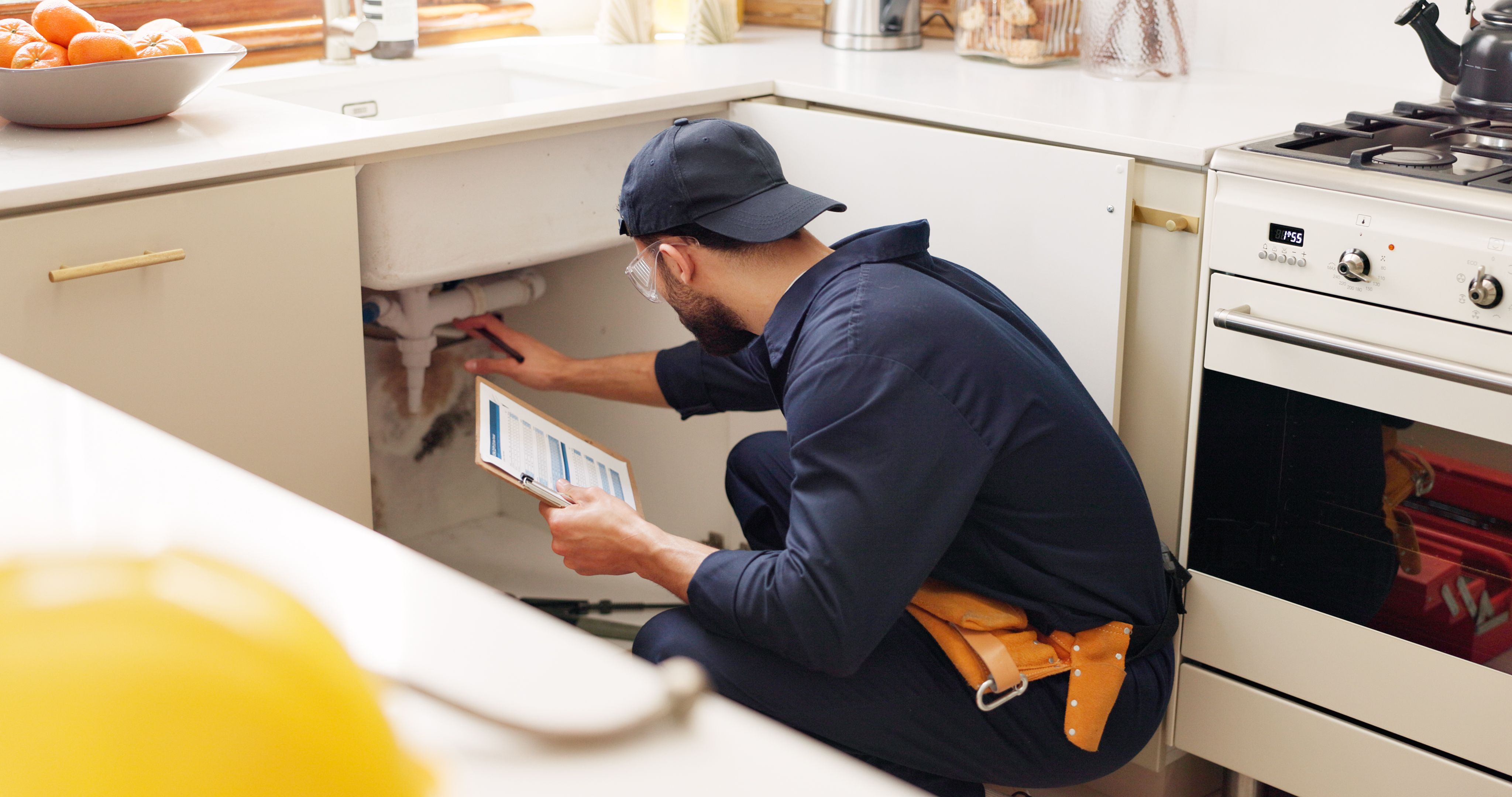
Once you've found a potential home, it's crucial to have it inspected. A thorough inspection can reveal hidden issues that may affect the property's value or your decision to buy. Look for licensed inspectors with good reviews.
Pay attention to key areas such as the roof, plumbing, electrical systems, and foundation. Addressing these issues early can save you from costly repairs later.
Closing the Deal
After inspections and negotiations, it's time to close the deal. This process involves signing a lot of paperwork, so ensure you understand every document. It's wise to have a real estate attorney review the contracts.
Once everything is signed and sealed, you’ll receive the keys to your new home. Congratulations, you’re now a homeowner in Florida!