
How Florida's Weather Affects Real Estate: What Sellers Should Know


Understanding Florida's Unique Climate
Florida is renowned for its sunny beaches and tropical climate, making it a popular destination for tourists and residents alike. However, the weather here can also pose unique challenges for real estate, particularly for sellers. Understanding how Florida's weather affects real estate can help sellers make informed decisions and maximize their property's value.
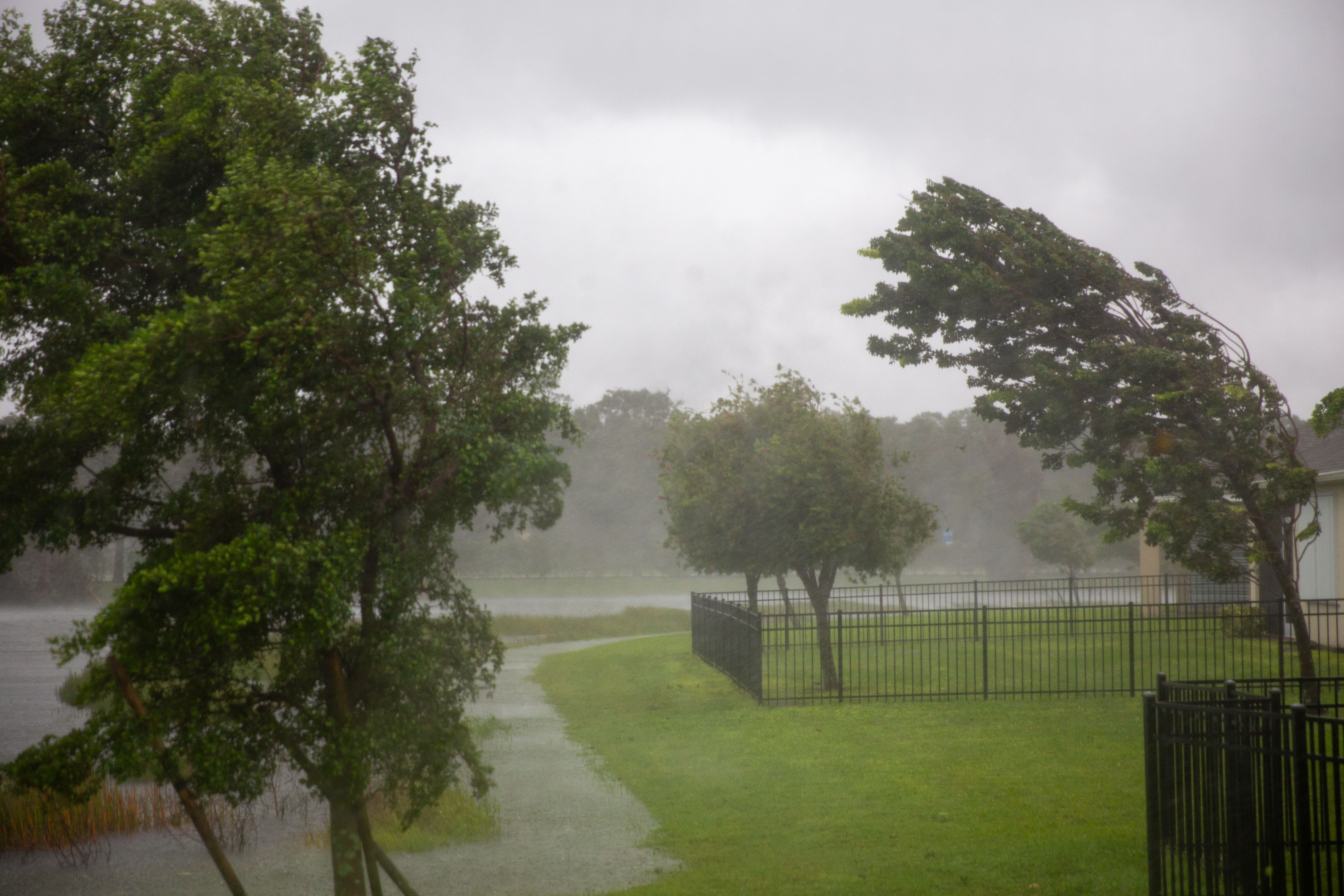
The state's climate is characterized by high humidity, frequent thunderstorms, and a hurricane season that runs from June to November. These factors can influence everything from property maintenance to buyer interest, impacting how sellers approach the market.
The Impact of Humidity on Homes
Florida's high humidity levels can affect both the interior and exterior of a property. Inside, moisture can lead to mold growth and cause damage to walls and flooring. Sellers should ensure their homes are well-ventilated and consider investing in dehumidifiers to maintain a comfortable indoor environment.
Outside, humidity can contribute to wear and tear on a home's exterior. Regular maintenance, including painting and sealing, is essential to prevent deterioration and keep the property looking its best.
Preparing for Hurricane Season
Hurricane season is a significant consideration for Florida homeowners. Sellers need to be proactive in securing their properties against potential storm damage. This may include installing hurricane shutters, reinforcing roofs, and ensuring proper drainage systems are in place to prevent flooding.
Highlighting these protective measures during the selling process can reassure potential buyers and showcase the property's preparedness for extreme weather events.

Seasonal Trends in the Real Estate Market
Florida's weather also influences the timing of real estate transactions. Generally, the market sees increased activity during the winter months when snowbirds from colder regions flock to the Sunshine State. Sellers may find it advantageous to list their properties during this peak season to attract more buyers.
Conversely, the summer months, coinciding with hurricane season, may see a slowdown in market activity. Sellers should be mindful of these trends when planning their listing strategy.
Highlighting the Benefits of Florida Living
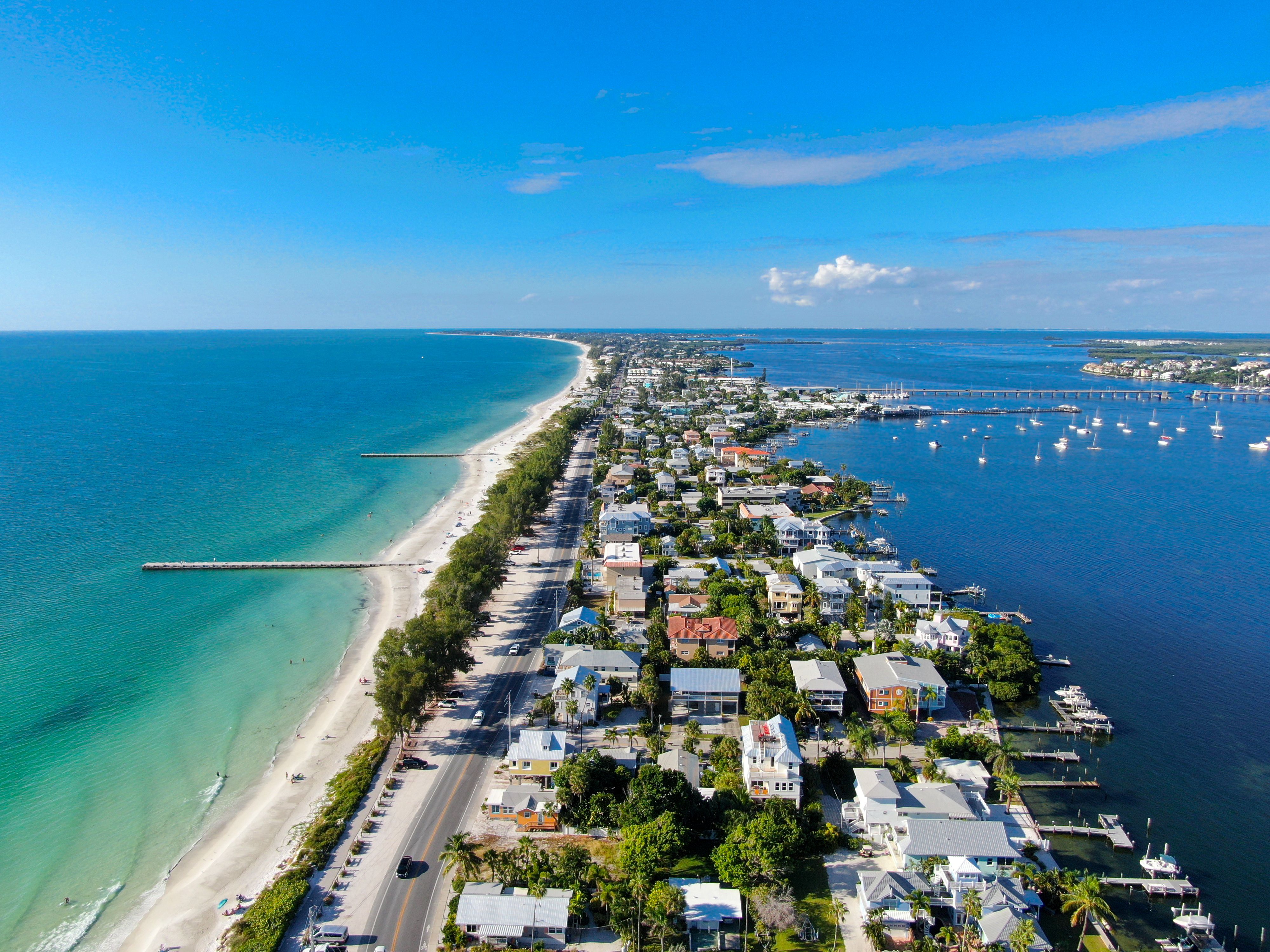
Despite the challenges posed by the weather, Florida's climate remains one of its biggest selling points. The state's warm weather and abundant sunshine are attractive features for buyers seeking a vibrant and active lifestyle.
Sellers can capitalize on this by emphasizing outdoor living spaces, such as patios, pools, and gardens, which allow potential buyers to envision enjoying the Florida lifestyle year-round.
Conclusion: Navigating Florida's Real Estate Market
Understanding how Florida's weather affects real estate is crucial for sellers looking to make the most of their property sales. By addressing the challenges of humidity and hurricane season and leveraging the state's appealing climate, sellers can effectively position their properties in the market.
With the right preparation and strategic timing, sellers can successfully navigate Florida's unique real estate landscape and achieve their desired outcomes.