How Miami’s Weather Impacts Real Estate: Insights and Tips


Understanding Miami's Climate
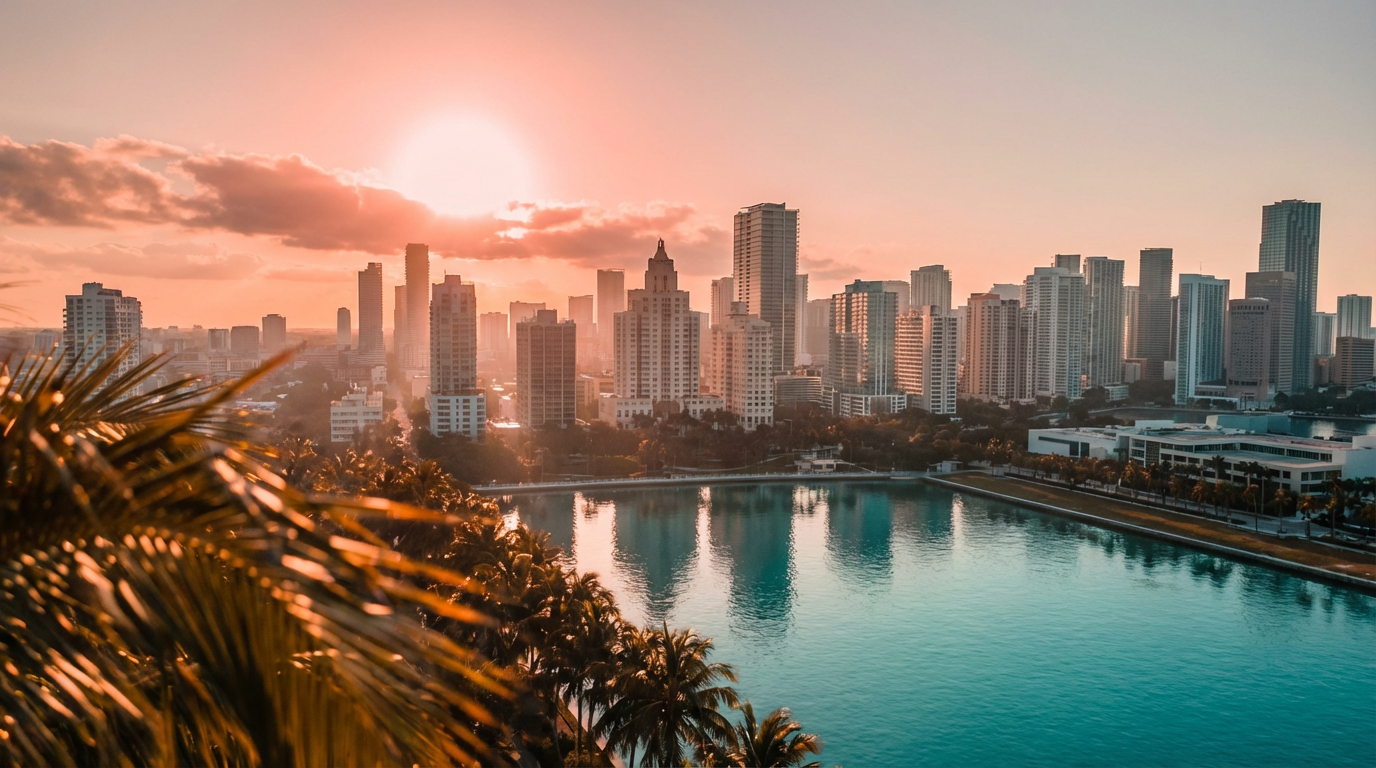
Miami is renowned for its tropical climate, characterized by warm temperatures year-round and distinct wet and dry seasons. This unique weather pattern plays a significant role in shaping the real estate market in the area. Understanding how these climatic conditions impact real estate can be crucial for both buyers and sellers.
The city's appealing weather attracts a diverse range of residents, from retirees seeking warmth to young professionals looking for vibrant city life. However, the climate also presents specific challenges that must be addressed when investing in Miami real estate.
Impact of Weather on Property Demand
Miami's warm weather is a major draw for tourists and new residents alike, leading to a consistent demand for properties. The influx of people during the winter months, often referred to as the "snowbird" season, increases the demand for short-term rentals and vacation homes. This seasonal demand can drive up prices and create competitive market conditions.
In contrast, the summer months can see a slight dip in demand due to the high humidity and increased rainfall. However, this period can offer opportunities for buyers to find more favorable deals. Understanding these seasonal fluctuations can be crucial for strategic real estate investments.

Challenges of Tropical Weather
The tropical climate also brings challenges, particularly the risk of hurricanes. Miami's location makes it susceptible to these natural events, which can impact property values and insurance costs. Potential buyers need to consider the resilience of the construction and the availability of proper hurricane protection measures.
Additionally, the high humidity levels can affect the maintenance of properties, leading to issues such as mold and mildew. Regular inspections and proper maintenance are essential to preserve property value in this environment.

Tips for Real Estate Investment in Miami
For those looking to invest in Miami real estate, there are several key strategies to consider:
- Research Seasonal Trends: Understanding the local real estate cycles can help you make informed decisions about when to buy or sell.
- Invest in Quality Construction: Properties with robust construction and hurricane-resistant features are more likely to retain value.
- Consider Insurance Costs: Factor in the cost of insurance, especially for properties in flood-prone areas.
By keeping these tips in mind, investors can navigate the Miami real estate market more effectively, capitalizing on its unique climate-driven opportunities.
Conclusion
Miami's weather is a defining factor in its real estate market, offering both opportunities and challenges. From the allure of year-round warmth to the risks posed by tropical storms, understanding these dynamics is essential for anyone looking to buy or sell property in this vibrant city. By staying informed and prepared, you can make the most of what Miami's real estate market has to offer.