
The Impact of Florida's Climate on Real Estate Investments


Florida's climate is a major factor attracting real estate investors from around the globe. Known for its warm temperatures and sunny days, the state offers a unique environment that appeals to both residential and commercial property buyers. However, understanding the impact of Florida's climate on real estate investments requires a closer look at several key aspects.
Year-Round Warm Weather
The state's subtropical climate is one of its biggest draws. Florida enjoys mild winters and hot summers, making it an attractive destination for those seeking a warm climate year-round. This consistent weather increases the demand for vacation homes and retirement communities, particularly in coastal areas.
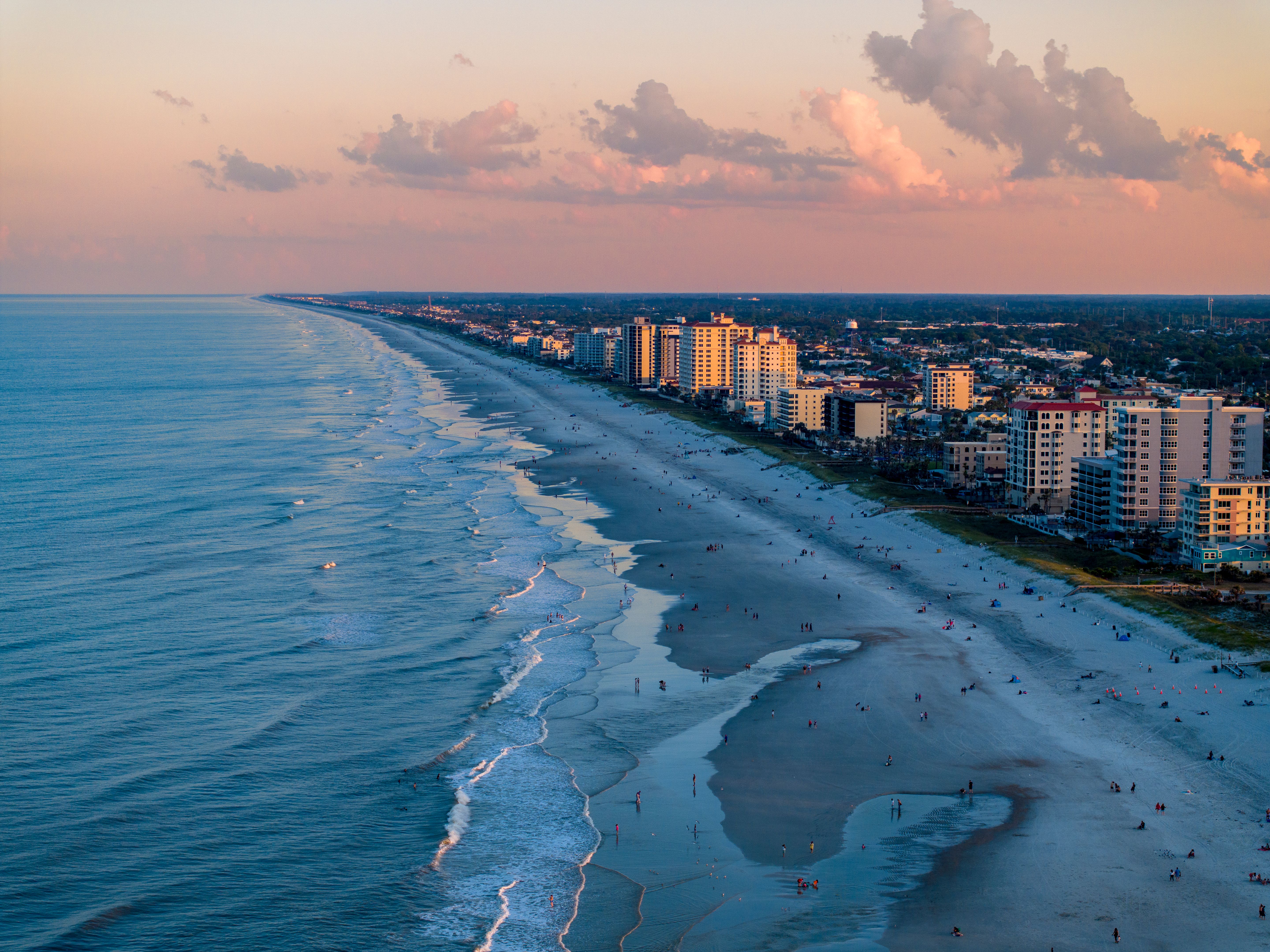
Investors targeting short-term rental markets can benefit from the influx of tourists during peak seasons. Properties in cities like Miami, Orlando, and Tampa often see high occupancy rates, providing lucrative returns on investment.
Hurricane Risks and Considerations
While Florida's warm climate is a selling point, investors must also consider the risks associated with hurricanes. These powerful storms can cause significant damage to properties, impacting investment values. Proper insurance coverage is essential, and understanding the local building codes that aim to minimize hurricane damage is crucial.
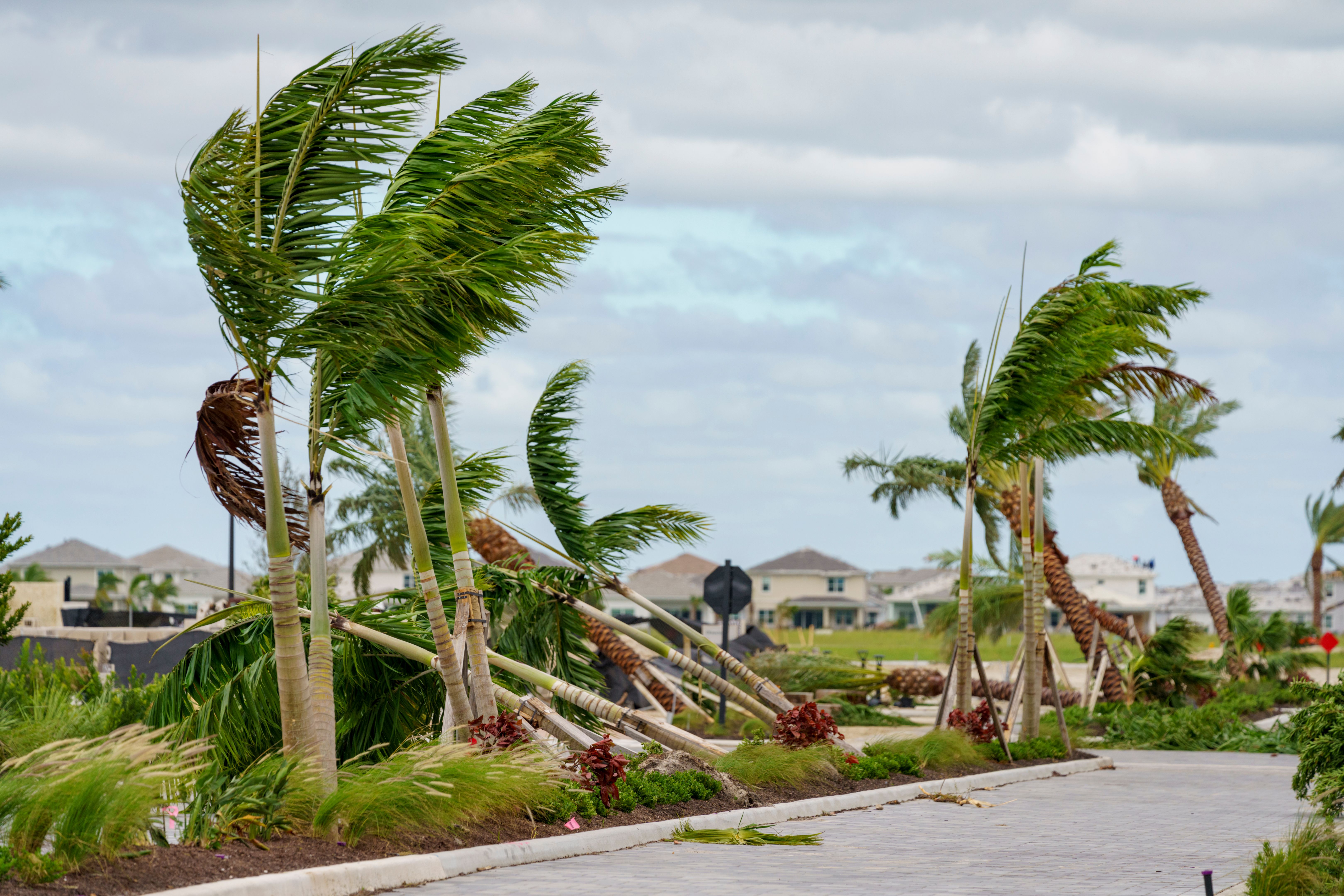
Investors should also consider the cost of repairs and the potential for increased insurance premiums. Being well-prepared can mitigate these risks and protect your investment in the long term.
Flood Zones and Rising Sea Levels
Florida's low-lying geography makes it particularly vulnerable to flooding. Rising sea levels are an increasing concern, particularly for coastal properties. Investors need to be aware of flood zones and consider the implications for property resilience and value.
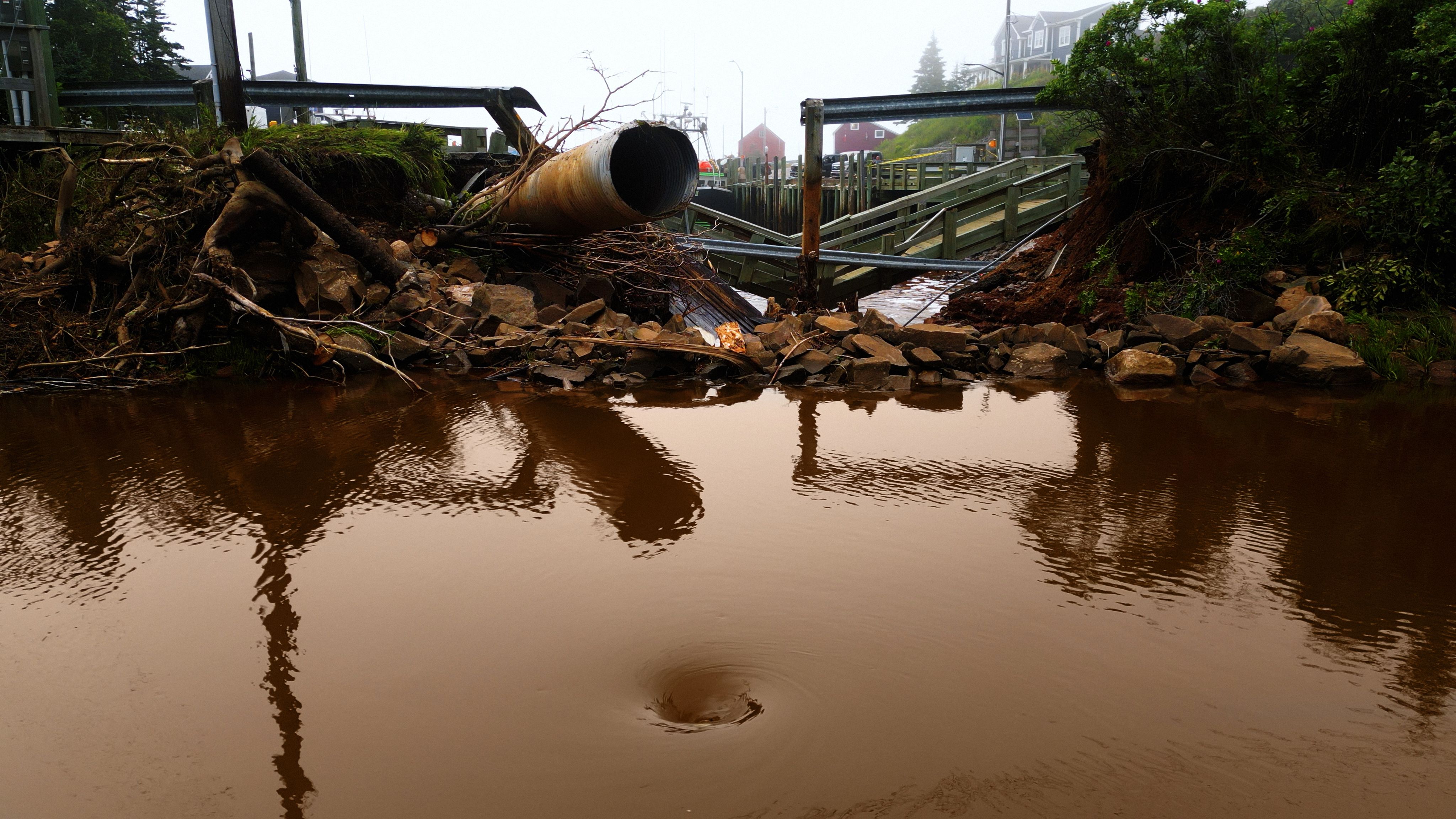
Utilizing flood maps and engaging with local experts can help in making informed decisions. Investing in properties with proper elevation and drainage systems can also reduce flood-related risks.
Environmental Regulations and Sustainability
With the growing awareness of environmental issues, sustainable real estate practices are becoming more prevalent in Florida. Investors are increasingly considering properties that incorporate eco-friendly designs and technologies.
From solar panels to energy-efficient appliances, sustainable investments not only help the environment but can also lead to cost savings and increased property values over time. Adopting green building practices is becoming a key strategy for forward-thinking investors.
Conclusion
Florida's climate presents both opportunities and challenges for real estate investors. While the warm weather and scenic landscapes offer substantial appeal, considerations such as hurricane risks, flood zones, and environmental sustainability are critical to making informed investment decisions. By understanding these factors, investors can capitalize on Florida's unique climate to achieve successful and profitable real estate ventures.