
Understanding FL Real Estate Trends: What Sellers Need to Know


Introduction to Florida Real Estate Trends
Florida has always been a dynamic market for real estate, with its unique blend of tropical weather, tourist attractions, and bustling metropolitan areas. For sellers, understanding the current trends is crucial to making informed decisions. As the market evolves, staying updated on these changes can significantly impact the success of a sale.

The Impact of Population Growth
Florida's population growth continues to be a driving force in the real estate market. The influx of new residents has led to increased demand for housing, particularly in urban areas like Miami, Orlando, and Tampa. Sellers can capitalize on this trend by targeting areas with high growth potential.
Understanding where people are moving allows sellers to strategically position their properties. Neighborhoods with new infrastructure, schools, and amenities are particularly attractive to buyers looking for convenience and value.
Seasonal Fluctuations in Demand
The Florida real estate market is also influenced by seasonal trends. Typically, the demand for homes increases during the winter months when snowbirds from colder states flock to the Sunshine State. Sellers may find this period to be the most advantageous time to list their properties.

However, it's essential to be prepared for the slower summer months. Adjusting pricing strategies and marketing efforts according to these seasonal fluctuations can help sellers maintain competitiveness year-round.
Embracing Technology in Real Estate
Technology continues to reshape the real estate landscape. Virtual tours, 3D walkthroughs, and online listings provide potential buyers with a comprehensive view of properties without ever stepping foot inside. Sellers who leverage these tools can reach a broader audience and enhance the appeal of their listings.
Additionally, utilizing data analytics can offer insights into buyer behavior and preferences, allowing sellers to tailor their approach accordingly. This technology-driven strategy is becoming increasingly important in today's competitive market.
Adapting to Economic Changes
The economic landscape, including interest rates and employment rates, plays a significant role in shaping real estate trends. Sellers should stay informed about these economic indicators as they can influence buyer confidence and purchasing power.
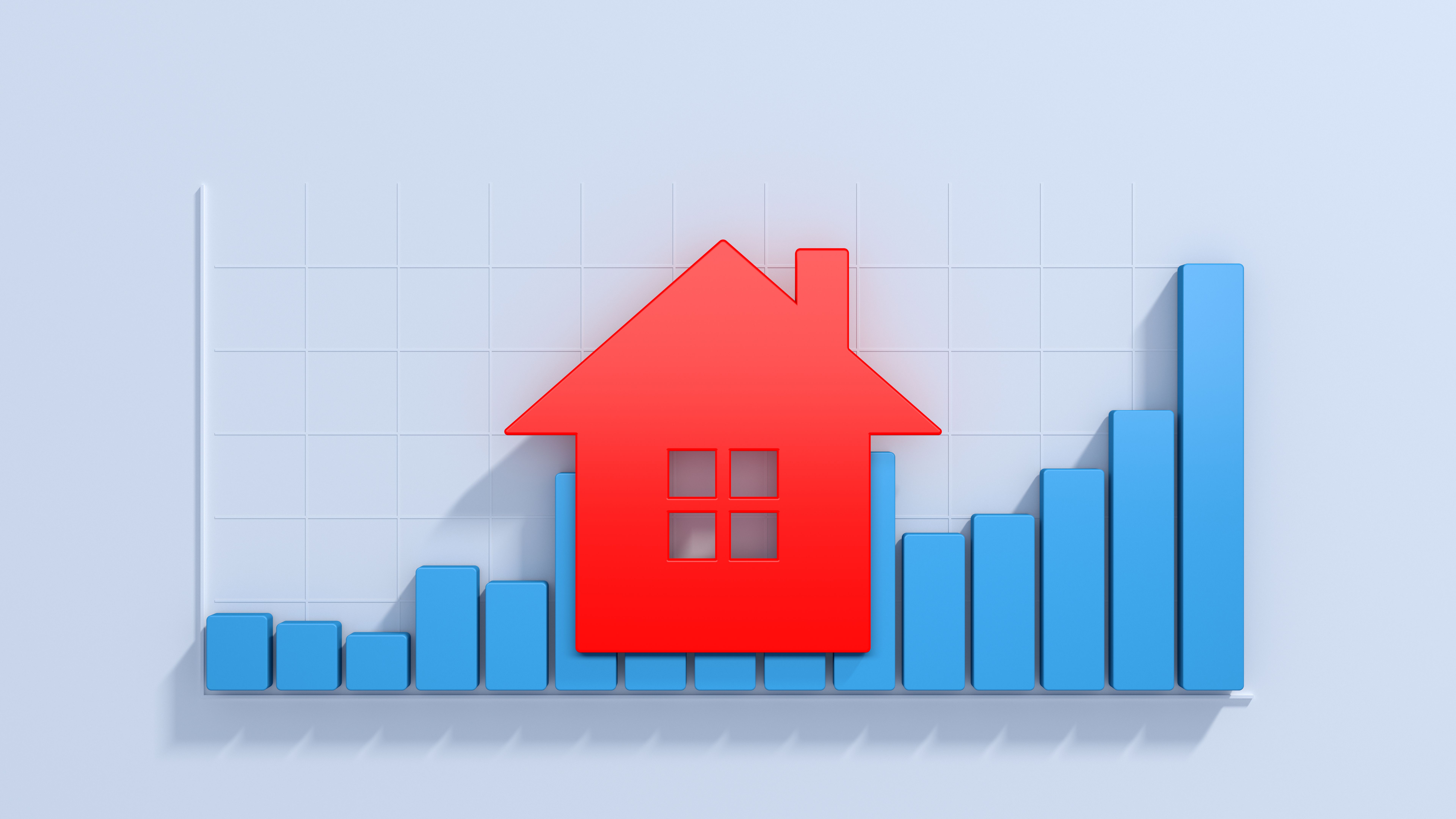
For instance, lower interest rates generally increase buyer activity, making it an opportune time for sellers to list properties. Conversely, a rise in rates may require adjustments in pricing and expectations.
Conclusion
Understanding Florida's real estate trends is essential for sellers aiming to maximize their returns. By staying informed about population growth, seasonal fluctuations, technological advancements, and economic changes, sellers can make strategic decisions that align with market conditions. With the right approach, navigating Florida's vibrant real estate market can lead to successful outcomes.