
Understanding Homestead Real Estate: A Comprehensive Buyer’s Guide


Investing in homestead real estate can be a rewarding endeavor, offering both financial stability and a personal retreat from the hustle and bustle of city life. Understanding the intricacies of purchasing a homestead property, however, is essential to making an informed decision. This guide will walk you through the key aspects to consider when venturing into the world of homestead real estate.
What is Homestead Real Estate?
Homestead real estate refers to properties that are used primarily for residential purposes, often located in rural or semi-rural areas. These properties typically include a house and may come with additional land for farming or recreational activities. The appeal of homesteads lies in their potential for self-sufficiency, allowing owners to grow food, raise animals, and enjoy a more sustainable lifestyle.
Benefits of Homesteading
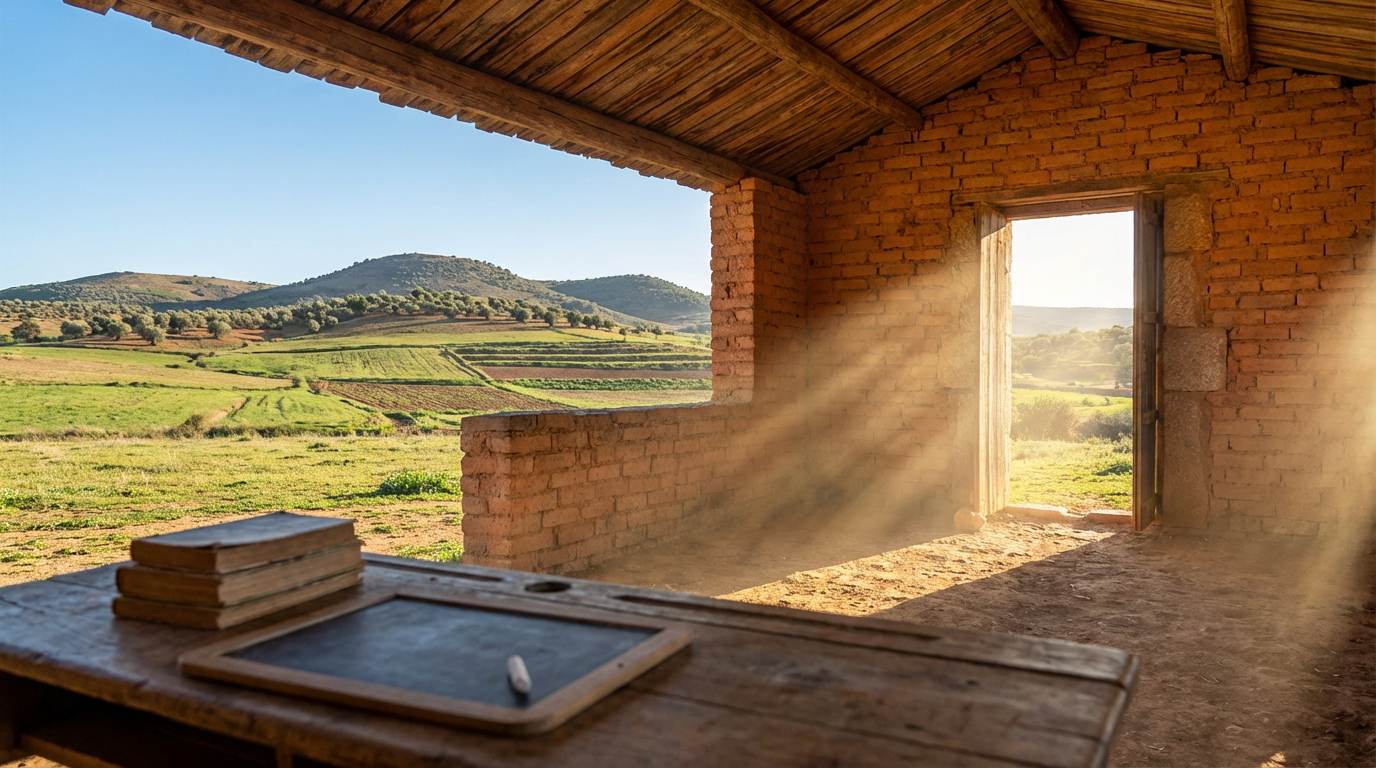
Owning a homestead offers numerous advantages. Firstly, it provides the opportunity to live off the land, reducing dependency on external resources. Secondly, homesteads often come with lower property taxes compared to urban real estate, making them a cost-effective investment. Additionally, the peaceful environment can significantly enhance your quality of life and provide a perfect setting for family growth and bonding.
Key Considerations When Buying a Homestead
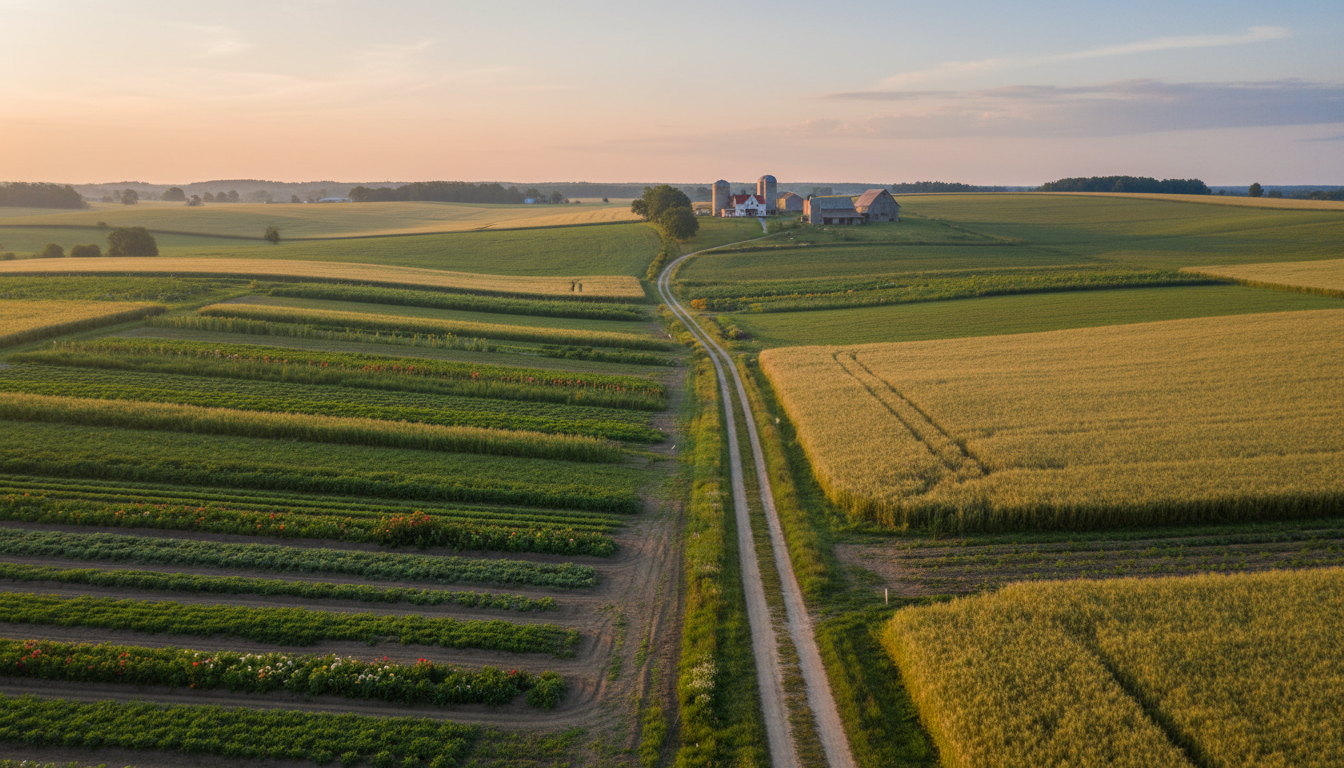
Before purchasing a homestead, there are several factors to evaluate. Location is paramount; ensure the property is accessible and close to necessary amenities like schools, hospitals, and markets. Evaluate the quality of the land, checking for fertile soil if you plan to farm, and assess the availability of water resources. These elements are crucial for a functional and sustainable homestead.
Legal Aspects and Zoning Regulations
Understanding local zoning laws and regulations is vital when buying homestead real estate. Zoning laws dictate what activities are permissible on the property, such as farming, raising livestock, or building additional structures. Ensure you review these regulations thoroughly to avoid any legal complications. Consulting with a real estate attorney or a local zoning expert can provide clarity and safeguard your investment.
Financing Your Homestead Purchase
Securing financing for a homestead property can differ from traditional real estate. Many buyers opt for rural development loans, which often come with favorable terms and lower interest rates. It's essential to explore various financing options and choose one that aligns with your financial capabilities and long-term goals. Working with a mortgage broker who specializes in rural properties can be advantageous.

Preparing for Life on a Homestead
Transitioning to homestead living requires careful planning and preparation. Understanding the demands of maintaining the property, such as gardening, animal care, and land management, is crucial. It may be helpful to connect with a community of homesteaders who can offer advice and support. Equip yourself with the necessary skills and tools to manage your property effectively and make the most of your homestead experience.
In conclusion, investing in homestead real estate offers a unique opportunity to embrace a sustainable and fulfilling lifestyle. By thoroughly researching and planning your purchase, you can enjoy the numerous benefits that come with owning a homestead. Whether you seek a peaceful retreat or a self-sufficient way of living, a homestead could be the perfect choice for you.